Cost of Living in Vietnam for Digital Nomads: 2026 City-by-City Breakdown
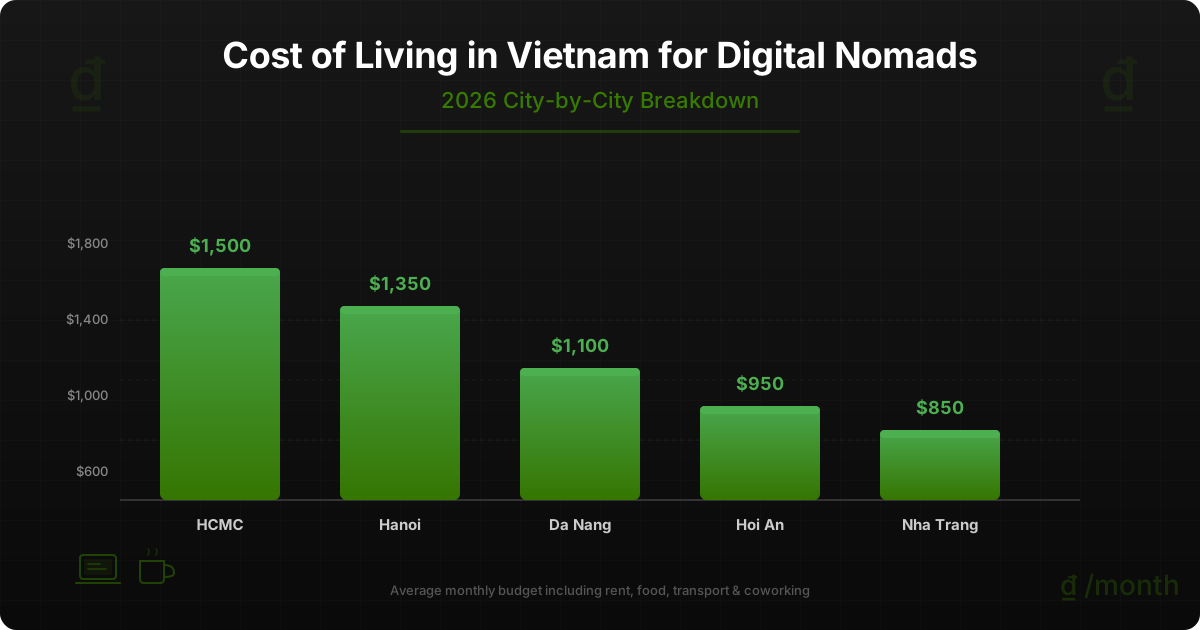
TL;DR: Vietnam costs most digital nomads between $1,200 and $2,000 per month for a comfortable lifestyle in 2026. Da Nang and Hoi An are the cheapest bases ($1,100-1,500 mid-range), while Ho Chi Minh City and Hanoi run about 15-25% higher. Street food still costs $1-2 per meal, modern apartments start at $300-400/month, and coworking runs $50-150/month. The Vietnamese dong trades at roughly 1 USD = 25,500 VND as of early 2026.
Vietnam has been a top-tier digital nomad destination for years, and that has not changed in 2026. The combination of fast internet, low costs, excellent food, and a growing remote-work infrastructure keeps it firmly on the short list for anyone working online from Southeast Asia.
I have spent extended time in all four cities covered here and tracked my own spending alongside data from other nomads in the community. This guide breaks down realistic monthly budgets at three tiers across Da Nang, Ho Chi Minh City, Hanoi, and Hoi An, with specific numbers you can actually plan around.
Before diving into costs, make sure your visa situation is sorted. Our Vietnam digital nomad visa guide covers the e-visa, business visa, and new talent visa options in detail.
Exchange Rate Context
All prices in this guide are listed in USD with key VND figures noted where helpful. As of early 2026:
- 1 USD = approximately 25,500 VND
- ATM withdrawals typically allow 2,000,000-5,000,000 VND per transaction
- Most ATMs charge 22,000-55,000 VND ($0.85-$2.15) per withdrawal
- Cards like Wise and Revolut avoid the 1-3% foreign transaction fees that most traditional banks charge
💡 Tool tip: Wise gives you the real mid-market exchange rate with fees around 0.5%, plus a multi-currency account that lets you hold and convert VND on the fly. Over a 3-month stay, the savings versus a traditional bank card add up to $50-150 depending on your spending.
For the most current rate, check XE.com or your banking app before converting large amounts.
Da Nang
Da Nang is the city I recommend most often to first-time Vietnam nomads. It has the best balance of cost, quality of life, beach access, and infrastructure. The coworking scene has matured significantly, the food is outstanding, and the expat community is large enough to be social but small enough to avoid the tourist-trap pricing you see in parts of Saigon.
Da Nang Monthly Cost Breakdown
| Category | Budget | Mid-Range | Comfortable |
|---|---|---|---|
| Accommodation | $250-400 | $400-650 | $650-1,000 |
| Food | $100-150 | $200-350 | $350-500 |
| Transport | $30-50 | $50-80 | $80-150 |
| Coworking/Internet | $0-30 | $50-100 | $100-150 |
| Entertainment/Lifestyle | $30-60 | $80-150 | $150-300 |
| SIM/Internet | $5-10 | $10-15 | $15-20 |
| Health & Misc | $50-100 | $80-150 | $150-250 |
| Monthly Total | $465-800 | $870-1,495 | $1,495-2,370 |
Budget tier ($800-1,200): A basic studio near the beach in An Thuong or Son Tra, eating mostly banh mi, com tam, and street pho. You cook occasionally, ride a rented motorbike, and work from cafes with good wifi. This is entirely doable and many long-term nomads live at this level for months.
Mid-range tier ($1,200-2,000): A modern one-bedroom apartment with a pool and gym, a mix of local and Western food, a coworking membership, and regular nights out. This is the sweet spot for most nomads and the level where Da Nang really shines for value.
Comfortable tier ($2,000-3,000): A serviced apartment or high-end studio in a beachfront building, eating wherever you want without thinking about prices, a premium coworking desk, and weekend trips to Hoi An or the Ba Na Hills. At this level you live better than most people in expensive Western cities at a fraction of the cost.
Da Nang Tips
- The My Khe beach area and An Thuong neighborhood have the highest concentration of nomad-friendly apartments and cafes. Prices drop noticeably if you move a few blocks inland.
- Electricity costs are separate from rent in many apartments. Air conditioning in the hot months (May-September) can add $30-50/month to your bill.
- The rainy season (October-December) brings lower rents but genuine flooding on some streets. Ask about drainage before signing a lease.
Ho Chi Minh City (Saigon)
Saigon is Vietnam’s economic engine and its most expensive city for nomads. It is also the most dynamic, with the best nightlife, the largest international community, and the widest range of coworking spaces. If you want energy, variety, and a big-city feel, Saigon delivers. The trade-off is higher rent, more traffic, and more noise.
HCMC Monthly Cost Breakdown
| Category | Budget | Mid-Range | Comfortable |
|---|---|---|---|
| Accommodation | $300-500 | $500-800 | $800-1,300 |
| Food | $120-180 | $250-400 | $400-600 |
| Transport | $40-70 | $70-120 | $120-200 |
| Coworking/Internet | $0-30 | $60-120 | $120-180 |
| Entertainment/Lifestyle | $40-80 | $100-200 | $200-400 |
| SIM/Internet | $5-10 | $10-15 | $15-20 |
| Health & Misc | $50-100 | $80-150 | $150-250 |
| Monthly Total | $555-970 | $1,070-1,805 | $1,805-2,950 |
Budget tier ($800-1,200): A studio in Binh Thanh or Go Vap (outside the central districts), street food for most meals, a motorbike, and cafe-based work. Saigon at this level is still comfortable, but you are making conscious trade-offs on location and dining.
Mid-range tier ($1,200-2,000): A one-bedroom in District 1, 2 (Thu Duc), or 3 with a coworking membership, regular restaurant meals, and a social life. This is the most common budget I see among nomads who stay three months or longer.
Comfortable tier ($2,000-3,000): A well-appointed apartment in Thao Dien or central District 1, Western food whenever you want, Grab cars instead of motorbikes, a premium coworking space, and weekends at rooftop bars or day trips. Saigon at this level is genuinely luxurious by global standards.
HCMC Tips
- District 1 is walkable and convenient but commands a 20-40% rent premium. Binh Thanh and District 3 offer similar access at lower prices.
- Thao Dien (Thu Duc City, formerly District 2) is the expat hub with international groceries, Western restaurants, and a suburban feel. Expect to pay accordingly.
- Grab (the local ride-hailing app) is essential. Motorbike taxis via GrabBike cost roughly 15,000-30,000 VND ($0.60-$1.20) for short trips.
- Saigon’s traffic is legendary. Factor in commute time and stress when choosing your neighborhood relative to your coworking space.
For neighborhood-by-neighborhood breakdowns with exact addresses and local tips, grab The Digital Nomad Guide: Vietnam.
Hanoi
Hanoi is Vietnam’s capital and its most culturally dense city. The Old Quarter, French colonial architecture, and street food scene are unmatched. For nomads who care more about culture and history than beaches, Hanoi is a compelling choice. Costs sit between Saigon and Da Nang, with the main trade-off being the winter weather (December-February can be genuinely cold and grey) and generally heavier air pollution.
Hanoi Monthly Cost Breakdown
| Category | Budget | Mid-Range | Comfortable |
|---|---|---|---|
| Accommodation | $280-450 | $450-700 | $700-1,100 |
| Food | $100-160 | $200-350 | $350-550 |
| Transport | $30-60 | $60-100 | $100-180 |
| Coworking/Internet | $0-30 | $50-100 | $100-150 |
| Entertainment/Lifestyle | $30-70 | $80-160 | $160-300 |
| SIM/Internet | $5-10 | $10-15 | $15-20 |
| Health & Misc | $50-100 | $80-150 | $150-250 |
| Monthly Total | $495-880 | $930-1,575 | $1,575-2,550 |
Budget tier ($800-1,200): A room or small apartment in Tay Ho (West Lake) or Dong Da, pho and bun cha from street stalls, a bicycle or motorbike, and work from one of Hanoi’s many excellent cafes. Hanoi’s street food is arguably Vietnam’s best, so eating cheap here does not feel like a compromise.
Mid-range tier ($1,200-2,000): A modern apartment near West Lake with a gym, a coworking membership, a balance of street food and sit-down restaurants, and regular exploration of Hanoi’s cultural sites. West Lake and the surrounding area has become the default nomad neighborhood for good reason.
Comfortable tier ($2,000-3,000): A high-end apartment in the West Lake or Ba Dinh area, eating at Hanoi’s excellent (and still affordable) restaurants, a premium coworking desk, and weekend trips to Ha Long Bay, Ninh Binh, or Sapa. Winter months may require indoor heating, which adds to electricity costs.
Hanoi Tips
- West Lake (Tay Ho) is the primary expat and nomad area. Apartments here are slightly more expensive but the lakeside setting, cafe density, and community make it worth the premium.
- Winter in Hanoi (December-February) is cold and damp, with temperatures dropping to 8-12C (46-54F). Most apartments lack central heating. Budget for a space heater and warm clothes.
- Air quality can be poor, particularly in winter. An air purifier ($50-100 one-time) is a worthwhile investment for stays longer than a month. Check IQAir for real-time readings.
- The Old Quarter is atmospheric for tourists but noisy and cramped for daily living. Visit often, but live elsewhere.
Hoi An
Hoi An is the smallest and cheapest of the four cities, and it attracts a different kind of nomad: those who prioritize slow living, community, cycling over motorbikes, and a quieter pace. The ancient town is a UNESCO World Heritage site, the beaches are nearby, and the food scene punches well above its weight. The downside is limited coworking options, a smaller social scene, and significant flooding during the rainy season (October-November).
Hoi An Monthly Cost Breakdown
| Category | Budget | Mid-Range | Comfortable |
|---|---|---|---|
| Accommodation | $200-350 | $350-550 | $550-900 |
| Food | $80-130 | $150-280 | $280-450 |
| Transport | $20-40 | $40-70 | $70-120 |
| Coworking/Internet | $0-20 | $40-80 | $80-130 |
| Entertainment/Lifestyle | $20-50 | $60-120 | $120-250 |
| SIM/Internet | $5-10 | $10-15 | $15-20 |
| Health & Misc | $40-80 | $60-120 | $120-200 |
| Monthly Total | $365-680 | $710-1,235 | $1,235-2,070 |
Budget tier ($800-1,200): A house or apartment slightly outside the old town, almost entirely local food (cao lau, banh mi, and white rose dumplings are all Hoi An specialties), a bicycle for getting around, and working from cafes. At this level Hoi An may be the best value destination in all of Southeast Asia.
Mid-range tier ($1,200-2,000): A well-furnished apartment or small villa with a pool, a mix of local and international food, a coworking membership at one of the few dedicated spaces, and weekend beach days. This is genuinely comfortable living.
Comfortable tier ($2,000-3,000): A private villa with a garden, eating at the town’s best restaurants regularly, and day trips to the Marble Mountains or My Son ruins. At this budget in Hoi An, you are living extremely well.
Hoi An Tips
- Hoi An is best paired with Da Nang. Many nomads split time between the two, which are only 30 minutes apart by motorbike or Grab.
- Flooding is real. The old town area floods annually in October-November, sometimes severely. Choose accommodation on higher ground if you are staying through the wet season.
- The coworking scene is small compared to Saigon or Da Nang. Hoi An Hub and a few cafe-coworking hybrids are the main options.
- Bicycles are the default transport in Hoi An. Budget $10-15/month for a rental or $50-80 to buy a used one.
City-by-City Comparison
Here is a side-by-side look at mid-range monthly costs across all four cities:
| Category | Da Nang | HCMC | Hanoi | Hoi An |
|---|---|---|---|---|
| Accommodation | $400-650 | $500-800 | $450-700 | $350-550 |
| Food | $200-350 | $250-400 | $200-350 | $150-280 |
| Transport | $50-80 | $70-120 | $60-100 | $40-70 |
| Coworking | $50-100 | $60-120 | $50-100 | $40-80 |
| Entertainment | $80-150 | $100-200 | $80-160 | $60-120 |
| SIM/Internet | $10-15 | $10-15 | $10-15 | $10-15 |
| Health & Misc | $80-150 | $80-150 | $80-150 | $60-120 |
| Mid-Range Total | $870-1,495 | $1,070-1,805 | $930-1,575 | $710-1,235 |
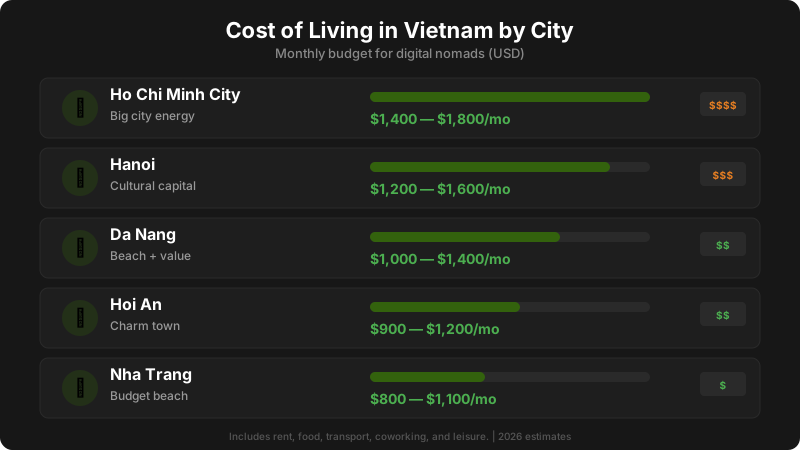
Bottom line: Hoi An is the cheapest, HCMC is the most expensive, and Da Nang offers the best overall value when you factor in infrastructure, community, and lifestyle. Hanoi splits the difference and wins on culture.
How to Save Money in Vietnam
These are the strategies I have seen make the biggest difference for nomads managing their spending:
1. Negotiate Monthly Rent Directly
Booking through Airbnb or booking.com typically costs 30-50% more than negotiating directly with a landlord. Facebook groups like “Da Nang Expats” or “Saigon Apartments for Rent” are the best starting points. Visit in person, view the apartment, and negotiate a monthly rate. Three-month commitments often unlock an additional 10-15% discount.
💡 Tool tip: For your first few nights while apartment hunting, Agoda consistently has the best hotel and serviced apartment deals in Vietnam. Their prices for Southeast Asian properties are often 10-20% lower than other booking platforms.
2. Eat Local Most of the Time
The single biggest variable in your Vietnam budget is food. A bowl of pho from a street stall costs 35,000-50,000 VND ($1.40-$2.00). The same dish at a tourist restaurant costs 120,000-180,000 VND ($4.70-$7.00). Eating local food for two meals a day and treating yourself to Western food occasionally keeps food costs under $200/month comfortably.
3. Use a Motorbike or Bicycle
Grab rides add up fast in Saigon and Hanoi. A motorbike rental costs $40-60/month and a bicycle is $10-15/month in smaller cities. If you are staying more than a month, the economics heavily favor renting your own transport.
4. Get a Local SIM Card Immediately
Vietnamese SIM cards from Viettel, Mobifone, or Vinaphone cost $3-8/month for generous data plans (often 2-5 GB/day). Airport SIM kiosks charge 2-3x the street price. Walk to any phone shop outside the airport and save. If you want data working the moment you land, Airalo sells eSIMs for Vietnam that activate instantly — no physical SIM swap needed. For keeping your home country number active, see our guide to virtual phone number apps.
5. Time Your Arrival
Peak season (January-March) means higher accommodation prices and more competition for the best apartments. Arriving in September or October often means better deals and more negotiating leverage, particularly in Da Nang and Hoi An.
Common Budget Traps to Avoid
Even experienced nomads fall into these:
- Tourist-area pricing: Coffee in the Bui Vien backpacker area of Saigon costs 60,000-80,000 VND. The same coffee two blocks away costs 20,000-30,000 VND. Learn to recognize the tourist markup and walk an extra minute.
- Overestimating coworking needs: If you work reasonable hours and do not need video calls all day, a cafe with good wifi is free (beyond your coffee purchase). Test the cafe approach for a week before committing to a coworking membership.
- Visa run costs: The 90-day e-visa means a border run every three months. Budget $150-300 per run for flights, accommodation, and a new e-visa application fee. Over a year, that is $600-1,200 that many people forget to include. Our visa guide covers the cheapest run options.
- Western grocery shopping: Imported cheese, wine, and specialty items at stores like Annam Gourmet are priced at or above Western levels. The local market equivalent is almost always cheaper and often better.
- Short-term accommodation: Paying weekly rates instead of monthly rates is one of the most expensive mistakes. Even if you are only staying five weeks, negotiate a monthly rate.
- Ignoring electricity bills: Some landlords include utilities; many do not. In southern Vietnam, air conditioning can push electricity bills to $40-80/month on top of rent. Clarify this before signing.
Vietnam vs. Other Nomad Destinations
Vietnam’s cost advantage becomes clear in comparison. At the mid-range tier, here is roughly how it compares:
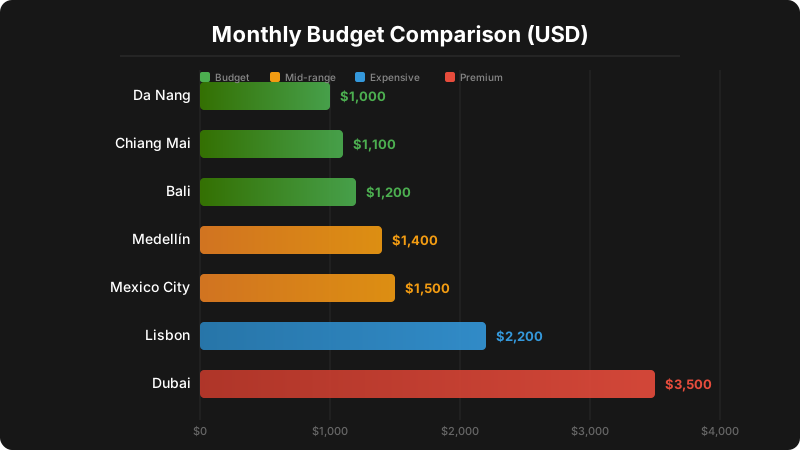
- Vietnam ($1,000-1,800/month) vs. Thailand ($1,300-2,200/month): Vietnam is 15-30% cheaper with comparable quality of life. Thailand has better visa options and more coworking spaces.
- Vietnam ($1,000-1,800/month) vs. Bali ($1,200-2,500/month): Vietnam wins on food costs and internet reliability. Bali wins on coworking culture and community events.
- Vietnam ($1,000-1,800/month) vs. Portugal ($1,800-3,000/month): Vietnam is roughly half the cost. Portugal offers Schengen access and easier banking.
- Vietnam ($1,000-1,800/month) vs. Brazil ($1,100-2,000/month): Brazil’s northeast coast (towns like Praia da Pipa) is surprisingly competitive with Vietnam on cost, with the added advantage of US-friendly time zones. Vietnam still wins on food value and internet infrastructure, but Brazil’s digital nomad visa offers a clearer legal framework.
If you are comparing Vietnam to more expensive hubs like Dubai, the savings are dramatic. Our guide on alternatives to Dubai for digital nomads covers the full picture.
SIM Cards and Internet Costs
Reliable internet is non-negotiable for remote work. Here is what to expect:
- Mobile data (SIM card): 70,000-200,000 VND ($2.75-$7.85) per month for 2-5 GB/day from Viettel, Mobifone, or Vinaphone. Viettel has the widest coverage outside cities.
- Home wifi (included in many apartments): Typical speeds are 50-100 Mbps. If not included, standalone fiber costs 200,000-300,000 VND ($7.85-$11.75) per month.
- Cafe wifi: Generally 20-50 Mbps in major cities. Chains like The Coffee House and Highlands Coffee are reliable. Smaller independent cafes vary.
- Coworking wifi: 50-200 Mbps with backup connections and generators at the better spaces.
Power outages happen, particularly during storms. A coworking space with backup power or a portable power bank for your router is worth having during the rainy season.
Final Thoughts
Vietnam in 2026 continues to offer one of the best cost-to-quality ratios for digital nomads anywhere in the world. The food is extraordinary, the internet is solid, the people are welcoming, and your money goes further here than in almost any other country with comparable infrastructure.
My recommendation for first-timers: start in Da Nang for a month, take a weekend in Hoi An, then decide whether you want to explore Saigon’s energy or Hanoi’s culture. Give yourself at least three months total. Vietnam rewards those who stay long enough to get past the surface.
The numbers in this guide are based on my own spending data, conversations with dozens of nomads across these cities, and cross-referenced with community-reported data on Numbeo and Nomad List as of early 2026. Your actual costs will vary based on lifestyle choices, but the ranges here should give you a reliable planning baseline.
Want the complete Vietnam playbook with 200+ pages of cost data, visa walkthroughs, and co-working reviews? Get The Digital Nomad Guide: Vietnam direct (PDF + exclusive bonuses, $15) or on Amazon ($9.99).
Keep Reading
- Vietnam Digital Nomad Visa Guide 2026 — E-visa, business visa, and Golden Visa options explained step by step
- Dubai vs Vietnam for Digital Nomads 2026 — Why Vietnam beats Dubai on cost, stability, and lifestyle for most remote workers
- Southeast Asia vs Latin America for Digital Nomads: 2026 Comparison — How Vietnam and SEA compare to Medellin, Mexico City, and Buenos Aires
Prices in this guide reflect conditions as of early 2026 and are based on the author’s direct experience, community-reported data, and publicly available cost indexes including Numbeo and Nomad List. Exchange rate used: 1 USD = 25,500 VND. Actual costs vary by season, neighborhood, and individual lifestyle.